概要
プライベートAIとは、人工知能モデルとそれを訓練するデータを組織の管理環境(オンプレミス、プライベートクラウド、または主権エンクレーブ)内で展開し、機密データ、独自のモデルの重み、規制されたワークロードが企業の範囲外に出ることを決して防ぐ実践です。
公開AIサービスがデータを共有されたベンダー管理モデルに 送るのに対し、プライベートAIはデータ、推論、ガバナンスを単一の責任ある所有者の下に置きます。規制対象の産業において、民間AIはAIの野望と コンプライアンス の現実の両方を満たす唯一のアーキテクチャパターンとなりつつあります。
プライベートAIの定義
プライベートAIとは、第三者が運営するインフラ上ではなく、組織が直接管理する環境内で人工知能システムを展開することを指します。実際には、モデルのトレーニングや基盤に使われるデータ、モデルの重み付け、推論を実行する計算はすべて、オンプレミスデータセンター、専用プライベートクラウド、あるいは厳格な居住要件のもとで運営されるソブリンエンクレーブなど、定義された組織の範囲内に収まっています。
プライベートAIと、関連しているが別の概念であるAIプライバシーを区別することが重要です。AIのプライバシーはユーザーにとって重要な問題であり、個人が公開チャットボットなどのAIアプリケーションに提出するクエリやプロンプト、個人情報に何が起こるかを扱います。プライベートAIは組織のアーキテクチャ上の課題であり、AIが大規模に展開された際に企業のデータ、独自知識、知的財産に何が及ぶかに対応します。両者は重なりますが、互換性はなく、企業リーダーがAIがガバナンスモデルのどこに位置づけられるかを評価する際にその違いが重要です。
プライベートAIと認められる展開パターンはスペクトラム上に位置しています。一方で、完全オンプレミスのプライベートAIは最も強力な制御手段を提供します。すべてのデータバイトとモデルの重みは、組織が所有・運用するインフラ上に存在します。信頼できるベンダーによる専用テナンシーを提供するプライベートクラウドの仕組みは、資本支出を削減しつつ、主権上の利益の大部分を維持できます。一方で、パブリッククラウドの機密コンピューティングはハードウェアベースの暗号化を用いてワークロードをクラウドオペレーターから隔離します。これは意味のある前進ですが、それでも企業の境界外のインフラを信頼する必要があります。
プライベートAIの仕組み
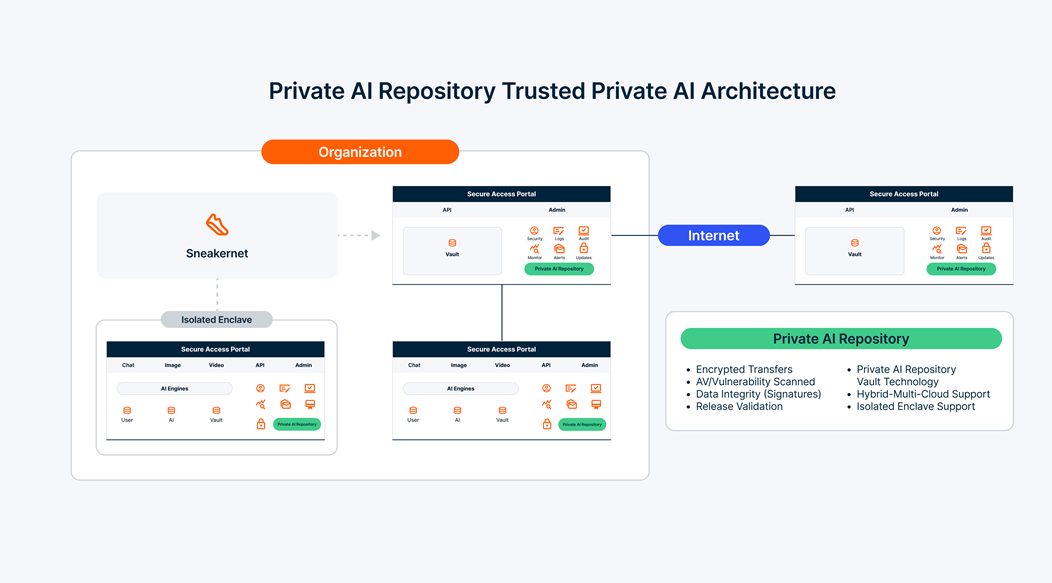
プライベートAIの展開は、データ、モデル、ガバナンスの整合性を維持するための4つの機能層のスタックとして理解するのが最も適切です。
データ層
どんな民間AIシステムの基盤もそのデータにあります。プライベートAIアーキテクチャでは、学習データ、検索拡張生成(RAG)文書保存、ベクトル埋め込みはすべて組織が制御するストレージ上に存在します。処理のために外部サービスにコピーされることはなく、第三者のトレーニングパイプラインにも一切露出しません。顧客データ、取引履歴、臨床記録といった信頼できる記録システムを構築してきた企業にとって、プライベートAIは将来のAIワークロードが同じガバナンス基盤に基づいていることを保証します。
モデル層
モデル層には、データを予測、分類、生成コンテンツに変換するアルゴリズムが格納されています。プライベートAI展開では、これには基礎モデル(多くの場合、エンタープライズ環境に展開されるオープンウェイトの基盤モデル)、独自データで訓練されたファインチューニングモデル、検索をサポートする埋め込みが含まれます。モデルの重みは、多くの点で民間AIシステムが守る最も繊細な資産です。微調整されたモデルは組織の蓄積された知識を吸収し、一度訓練されると、漏洩を許されない機関の知的財産を表します。
推論層
推論とは、プロンプトが答えになる場面です。プライベートAIシステムでは、推論層は企業制御の計算(しばしばGPUアクセラレーション)上で動作し、プロンプトやそのコンテキストを外部APIに送信せずに応答を返します。このアーキテクチャは2つの重要な特性を提供します。すなわち、トラフィックがエンタープライズネットワーク上に留まるため遅延が予測可能であること、また、臨床記録や顧客記録などのセンシティブな内容は、決して範囲外に出ません。
ガバナンス層
ガバナンス層こそが、プライベートAIを監査人、規制当局、そして企業自身のリスク・コンプライアンスチームに対して守りやすくしています。アクセス制御を強制し、すべてのプロンプトや応答を記録し、モデルの系譜を維持し、後から誰がどのモデルをどのデータにどの目的で使用したかを証明する監査の跡をサポートします。ガバナンスは民間AIの重ね合わせではありません。それはデザイン特性です。
 出典:https://www.redrake.com/portfolio-items/trusted-private-artificial-intelligence
プライベートAIとパブリックAIの違い
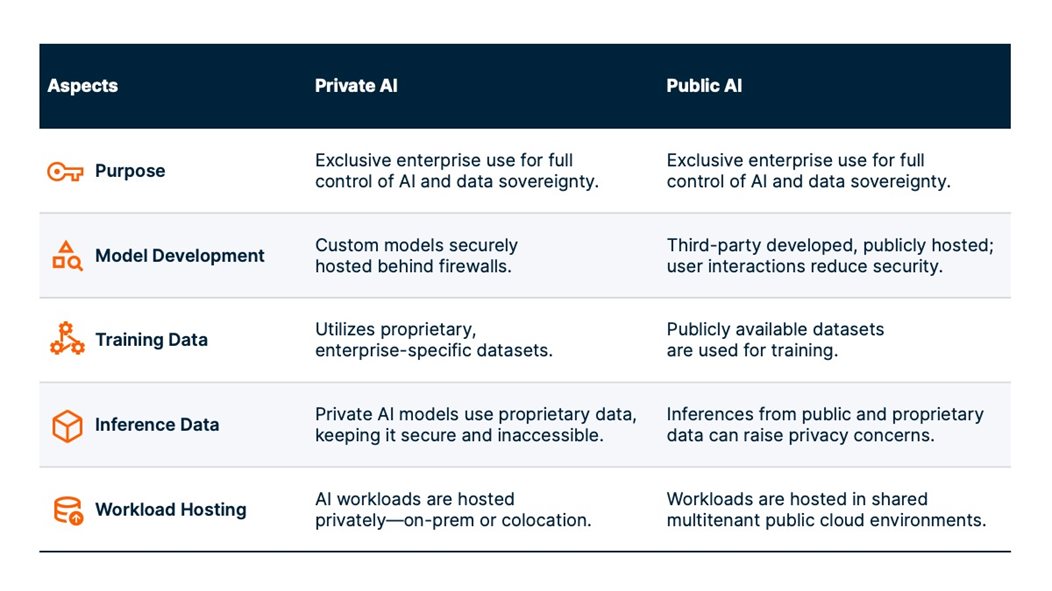
民間AIとパブリックAIの選択は、「優れている」というよりも、企業がどのようなアーキテクチャ上のトレードオフを受け入れるかの方が重要です。公共AIサービスは、単一の組織だけでは再現できない最先端の機能とスケールに迅速にアクセスできます。プライベートAIは制御、データ主権、そして独自知識を真に独占的に保つ能力を提供します。
パブリックAIはスピードと幅広さを重視し、プライベートAIは制御と防御性を重視しています。どちらも普遍的に正しい答えではありません。低感度ワークロードは迅速な反復の恩恵を受け、公開AIサービス上でよく動作します。規制されたワークロード、独自の知識に依存するワークロード、厳格なデータレジデンシー要件を持つワークロードはほぼ常にプライベートAIパターンを必要とし、企業もますます特定のワークロードを適合するモデルにルーティングするハイブリッドアプローチを採用しています。
プライベートAIの利点
規制された環境や知的財産に敏感な環境で事業を行う企業にとって、プライベートAIの利点は段階的なものではなく構造的なものです。
- データ主権。 データは企業の境界を越えないため、データレジデンシー要件、契約上のプライバシー義務、HIPAA、GDPR、PCI DSS、FedRAMPなどの業界特有規制は、ベンダーの認証ではなくアーキテクチャ自体で満たされます。
- モデルの所有権。 微調整されたモデル重みは、銀行のコンプライアンス基準、病院の臨床的思考パターン、メーカーの欠陥検出ヒューリスティックなど、蓄積された機関知識を表しています。民間AIでは、これらの重みは企業の知的財産であり、第三者のトレーニングパイプライン内の共有資産ではありません。
- 予測可能なコストと遅延。 トークンごとの価格設定は企業規模で不快にスケールします。民間AIはコストプロファイルを資本支出と予測可能な運用費用にシフトし、推論遅延はベンダーのAPIではなく企業ネットワークの関数となります。
- 正当な監査記録。 すべてのプロンプト、検索、応答は企業が管理するインフラに記録され、監査人や規制当局が期待する完全でタイムスタンプ付きの記録が作成されます。
- 既存のガバナンスとの整合性。 すでに成熟したデータガバナンスプログラムを運用している組織にとって、プライベートAIはアクセス管理、系譜、監査、保持といった既存の管理をAIワークロードに拡張し、外部ベンダーに対応するための全く新しいガバナンスモデルを必要としません。
プライベートAIにおけるプライバシー保護の技術
プライベートAIは単一の技術ではなく、複数の技術の積み重ねです。複数の異なるアプローチを組み合わせて使うことで、機密データに対してAIを運用しても、そのデータやそこから学習するモデルの整合性を損なうことなく実現できます。
フェデレーテッドラーニング
フェデレーテッドラーニングは、基盤となるデータを移動させることなく、複数の組織やデータサイロにまたがるモデルの訓練を可能にします。各参加者は自分のデータをもとにローカルでモデルを訓練します。共有・集約されるのはモデルの更新のみであり、データ自体は含まれません。このパターンは、共有モデルの価値が高いものの、法的にデータをプールできない医療コンソーシアムや国境を越えた金融協力において特に関連性があります。
差別的プライバシー
差分プライバシーは、個々の記録がモデルの出力から逆解析できないという数学的保証を提供します。訓練や推論に慎重に調整されたノイズを導入することで、組織は機密データを統計的に活用しつつ、単一の記録の寄与が孤立しないようにすることができます。差別的プライバシーは、個人や規制されたデータ上で訓練されたAIシステムにとって、ますます基準となる期待となっています。
機密コンピューティング
機密コンピューティングは、ハードウェアベースのセキュアエンクレーブを用いて、ワークロードをそれを動かすインフラから隔離します。エンクレーブ内では、データやコードは処理中でも暗号化されたままであり、クラウドオペレーターも侵害されたホストOSもモデルが何を扱っているかを読み取ることができません。プライベートクラウドや機密計算対応のパブリッククラウドでAIを運用する企業にとって、これはインフラの信頼を許容できるレベルまで高める仕組みとなることが多いです。
合成データ
合成データは、実際のレコードを含まずに実際のデータの統計的および関係的特性を保持する人工的に生成されたデータです。プライベートAIでは、合成データがトレーニングセットの拡張、管理の緩い環境での実験支援、プライバシールールでブロックされているチーム間のデータ共有を可能にします。合成データの有用性は生成プロセスの質に大きく依存します。生成が不十分な合成データはバイアスを生んだり、生産で最も重要な統計的尾動を見落としたりします。
オンプレミスとプライベートクラウド:どちらのタイプのプライベートAIが必要ですか?
「プライベートAI」は単一の展開パターンではなく、スペクトラムであり、そのスペクトラムの適切な位置は組織のリスクプロファイル、資本状況、規制義務に依存します。
- オンプレミス展開 は、AIシステムのあらゆる層を組織が所有し運用するインフラ上に置きます。これは最も強力な主権の形態を提供します。第三者はハードウェア、データ、モデルに対して物理的または論理的にアクセスできるのです。そのトレードオフとしては、資本支出と運営責任があり、組織自身がインフラに投資し維持しなければなりません。
- プライベートクラウドの導入 は、信頼できるベンダーが提供する専用のシングルテナントインフラ上にAIシステムを配置します。主権はほとんどの実務上維持され、資本構成は営業支出に移ります。そのトレードオフとして、信頼の一部がベンダーに委ねられ、ベンダーの運用手法は脅威モデルの中に収まることになります。
- パブリッククラウドにおける機密コンピューティング は、ハードウェアベースの暗号化を用いてワークロードをクラウドオペレーターから隔離するという意味のある進歩であり、企業が強力な暗号保証を持つ共有インフラ上で機密性の高いAIワークロードを運用できるようにしています。クラウドオペレーターへの信頼度は減りますが、完全にはなくしません。企業はまだ所有していないインフラ上で運営されています。
これらのパターンは、合理的な定義でプライベートAIに該当します。脅威モデル、規制義務、知的財産の問題などで可能な限り強力な管理が必要な企業にとって、オンプレミス展開は依然として基盤となります。異なる制約を持つ企業にとっては、プライベートクラウドや機密計算の取り決めが、管理と経済性の適切なバランスを提供する可能性があります。
民間AIの恩恵が最も大きい業界
民間AIの採用は、機密データ、規制義務、独自知識が交差する産業で最も強く見られます。これらの分野では、公共AIは政策、規制、知的財産保護という商業的現実のいずれにおいても、しばしば現実的な選択肢とは言えません。
金融サービス
金融機関は顧客記録、取引データ、独自の分析モデルを扱い、外部のAIシステムに曝露できないものを扱っています。民間AIは、銀行が顧客情報を知るドキュメントでモデルを訓練し、完全な取引履歴に基づく不正検出システムを構築し、コンプライアンス担当者向けの生成AIアシスタントを展開することを可能にします。これらはすべて、顧客データやモデルの重みを機関外に送信することなく実現できます。銀行の独自のコンプライアンス解釈は、数十年にわたり蓄積されてきたものであり、まさに民間AIが守るべき資産の一種です。
 出典:https://www.techaheadcorp.com/blog/private-ai-for-enterprises-a-game-changer-to-safeguard-the-business
医療と生命科学
医療機関は世界中でも最も厳しいデータプライバシー体制の下で運営されており、保護された健康情報の侵害に対する罰則は厳しいものです。民間AIは、PHIが病院の管理環境から離れることなく、臨床ノートの要約、医療画像解析、患者対応サポートツールを展開できるようにします。AIを薬物発見に応用するライフサイエンス組織も、長年の投資を表す独自分子データや研究資産を保護するために民間AIに依存しています。
製造
製造業者は品質検査、予測保守、サプライチェーン最適化にAIをますます活用しています。製造ラインの出力画像をもとに訓練されたメーカーの欠陥検出モデルは、その故障モードの詳細な理解を埋め込み、競合他社が取得するために料金を支払う情報を提供します。プライベートAIはそのモデルとその背後にある訓練データをメーカー自身の環境内に保持します。
テラデータが民間AIを支援する方法
テラデータ社のプライベートAIへのアプローチは、数十年にわたり同社のデータプラットフォームを形作ってきた同じ原則に基づいています。すなわち、エンタープライズ規模のワークロードにはエンタープライズレベルの管理が求められるということです。プライベートAIはこの原則をAIモデルのライフサイクル全体に拡張し、独自データの安全なファインチューニング、機密文書ストアに対する検索拡張生成、管理されたモデル展開、すべてのプロンプトと応答に対する完全な監査と系譜管理を行います。
すでに信頼できる記録システムに投資している企業にとっての利点は継続性です。ビジネス全体を統括する倉庫常駐データと並行して訓練されたAIモデルは、同じアクセス制御、同じ系譜、同じガバナンス体制を受け継ぎます。AIワークロードに対して並行するガバナンスモデルを構築する必要はなく、既存のモデルの中に収まっています。
Teradataのエンタープライズベクターストア、データベース内のAI/ML機能、Bring Your Own LLMによるオープンウェイト基盤モデルの統合サポートなどの機能により、データや分析チームは信頼する環境からデータやモデルを離れることなくAIを構築し、調整し、展開できます。
Teradataがエンタープライズ規模でプライベートAIをどのようにサポートしているかについて詳しく知りたい方は、ぜひ当社のチームにご連絡ください。
よくある質問
まだプライベートAIについて質問がありますか?ここでは、よくある質問への回答をいくつかご紹介します。
プライベートなAIは存在するのでしょうか?
プライベートなAIは存在するのでしょうか?
はい。プライベートAIシステムは、モデル、使用されるデータ、推論を実行する計算がすべて組織の管理された環境内に留まるシステムです。選択肢は、エンタープライズGPU上で動作するセルフホスト型オープンウェイト基盤モデルから、専用のプライベートクラウド展開、そしてパブリッククラウドインフラにおける機密計算型の仕組みまで多岐にわたります。
プライベートAIはどのように機能するのでしょうか?
プライベートAIはどのように機能するのでしょうか?
プライベートAIは、組織が管理するインフラ内にデータ、モデル、推論、ガバナンスの4層を保持することで機能します。トレーニングデータとベクターストアはエンタープライズストレージに保存されます。モデルの重みはEnterprise Computeにホストされています。推論は外部APIに接触せずに実行されます。すべてのアクションは監査と系譜のために記録されます。その結果、プロンプトも記録も、微調整された重さも周囲から出ることのないAIシステムが生まれました。
民間AIの費用はいくらですか?
民間AIの費用はいくらですか?
民間AIは、コストプロファイルをトークンごとの運用費から、資本投資と予測可能な運用コストの組み合わせへとシフトさせます。低ボリュームでは、公開AIのAPIは通常安価です。エンタープライズ規模、特に厳しいガバナンス要件のあるワークロードでは、プライベートAIは複数年にわたるコスト効率が高いことが多いです。なぜなら、コストはクエリ数ではなくインフラの容量によってスケールするからです。
民間AIとパブリックAIの違いは何ですか?
民間AIとパブリックAIの違いは何ですか?
パブリックAIは共有されたベンダー管理のインフラ上で動作します。プライベートAIは組織の管理された環境内で動作します。その違いは、企業ガバナンスにとって重要なあらゆる側面に現れます。データの所在地、微調整されたモデルの重みを持つ所有者、ガバナンスの執行方法、コストのスケールなどです。パブリックAIは幅広さと速度を最適化します。民間AIは支配、主権、知的財産保護を最適化します。
民間AIの恩恵を最も受けている業界はどこでしょうか?
民間AIの恩恵を最も受けている業界はどこでしょうか?
規制された産業が最も恩恵を受けます。金融サービス、医療、ライフサイエンス、政府、製造業はすべて、外部のAIシステムにさらせない機密データ、厳しい規制義務、または独自の知識を抱えて運営されています。データ漏洩、モデル重さ漏洩、コンプライアンス違反などで重大なリスクを負う組織は、民間AIの候補となります。
プライベートAIはAIのプライバシーと同じものなのでしょうか?
プライベートAIはAIのプライバシーと同じものなのでしょうか?
いいえ。プライベートAIは組織のアーキテクチャに関わる課題であり、データやモデルがどこに存在し、誰がそれらを管理するかを扱います。AIのプライバシーはユーザーにとって重要な問題であり、個人がAIアプリケーションに送る問い合わせに何が起こるかを扱います。企業がプライベートなAIシステムを運用しても、AI搭載製品の最終ユーザーのAIプライバシーについて別途考える必要があります。
最高のプライベートAIツールは何ですか?
最高のプライベートAIツールは何ですか?
プライベートAIは単一のツールではなくカテゴリーを通じて提供されます。基盤モデルやファインチューニングモデル、トレーニングと推論のための計算インフラ、検索拡張生成のためのベクトルストア、ガバナンスおよび系譜ツール、そして組織の独自情報を保持するデータプラットフォームです。最良のプライベートAIツールは、企業の既存のデータ資産、ガバナンスの状況、運用成熟度と整合したものです。